Product Operating System
SaaS Platform Standardization and AI-Assisted Conversation System
+173% live chat engagement · AI-assisted conversation system · platform-wide UX standards · scalable system patterns
Overview
The Product Operating System is a platform framework governing interaction models, lifecycle states, UX standards, and automation patterns across all product surfaces, creating a shared foundation for every product decision across acquisition, quoting, and fulfillment.
Ship Smart had operated for more than 25 years without a shared product framework. Customer acquisition, quoting workflows, fulfillment operations, and internal tools evolved independently, creating fragmented lifecycle logic, inconsistent interaction patterns, and duplicated workflows across the platform.
I led the design of a Product Operating System that replaced feature-by-feature decision-making with standardized interaction behavior, shared lifecycle state logic, and reusable UX patterns across all surfaces. Brand identity became a downstream expression of this system, not the starting point.
The root issue wasn't visual. It was architectural. Without shared interaction patterns and lifecycle state language, every new feature introduced friction instead of strengthening the system.
A critical output of this system was an AI-assisted conversation layer built from analysis of 2,783 live chat transcripts. By structuring real customer questions into a knowledge architecture and decision-logic system, a previously passive and underutilized chat channel was transformed into an active acquisition and service tool, driving 173% growth in live chat engagement.
Operational Impact
Measured post-launch across acquisition, engagement, and channel performance
ENGAGEMENT
+173%
increase in live chat engagement
+62%
increase in mobile sessions
+31%
increase in click-through rates
REVENUE
+41%
YoY increase in chat-initiated bookings
+38%
YoY increase in chat-driven sales revenue
SYSTEM
│87 questions structured into intent-based flows
│70 help center articles across 10 categories
│16,168 article views from digital-first customers
Role: Lead UX & Product Designer
Responsibilities: UX Strategy · Product Architecture · Information Architecture · Systems Thinking · AI-Assisted Conversation Design · Knowledge Base Architecture · Design System Development · Cross-Functional Collaboration
Tools: Figma · Google Analytics · LiveChat · Chat Transcript Analysis · User Interviews · Competitive Research · Market Research
Timeline: 18 Months
What I Owned
| Led Ship Smart's first comprehensive product research initiative, analyzing 2,783 chat transcripts, 160+ hours of support calls, and nine behavioral customer segments
| Diagnosed the root problem as a platform architecture failure, not a brand or visual design problem, and reframed the entire project scope around that
| Designed and configured the AI-assisted conversation system end-to-end: 87 structured questions, four conversation flows, and dual-purpose routing for service and sales
| Built the knowledge architecture underlying the chatbot from real customer behavior, not assumptions
| Defined the shared interaction language, lifecycle state logic, and reusable UX standards that governed all downstream product decisions
| Transformed a passive, unstructured chat channel into an active acquisition and service tool, giving digital-first customers a clear path to conversion for the first time
My Process
Design Question
How might we establish a unified product framework that standardizes interaction behavior, lifecycle state logic, and UX patterns across acquisition, quoting, and fulfillment, enabling every new feature to strengthen the platform instead of fragment it?

That was the presenting problem. I went looking for the root cause.
Research Program
Ship Smart's first comprehensive product research initiative, combining qualitative insight with large-scale behavioral analysis. The core risk was not visual inconsistency. It was the absence of shared system logic.
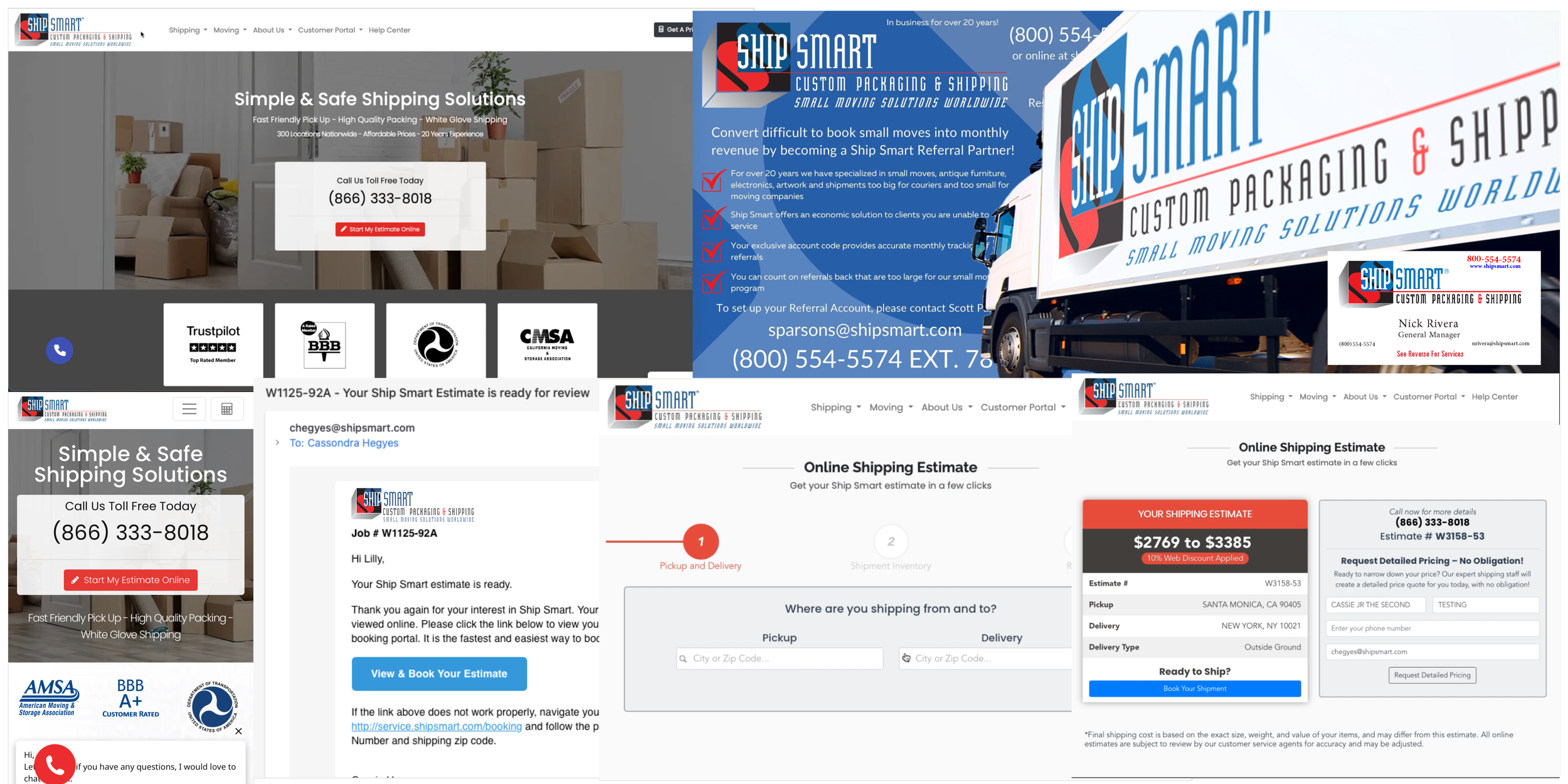
The before state: fragmented surfaces, inconsistent patterns, no shared lifecycle logic.
Method
Ship Smart Before Redesign
Conducted stakeholder interviews across Sales, Operations, and Customer Support
Reviewed 160+ hours of recorded customer support calls
Analyzed 2,783 live chat transcripts (95% confidence sample)
Audited existing product surfaces and interaction patterns
Followed multiple customers through complete end-to-end journeys
Mapped workflows across acquisition, quoting, fulfillment, and post-sale communication
Performed competitive analysis of digital-first logistics and moving services
Key Finding: Digital-first customers, particularly Millennials and Gen Z, were significantly underrepresented in conversion data. This was not a demand problem. It was a channel access problem.
Customer Insights
Focusing on behavioral patterns rather than lead sources revealed nine distinct customer segments, replacing two lead-based buckets. One insight emerged immediately: digital-first users expected immediate responses, self-service options, and support outside business hours. The existing system relied primarily on phone interactions, creating friction for the customers most likely to convert through digital channels.
Understanding Customers
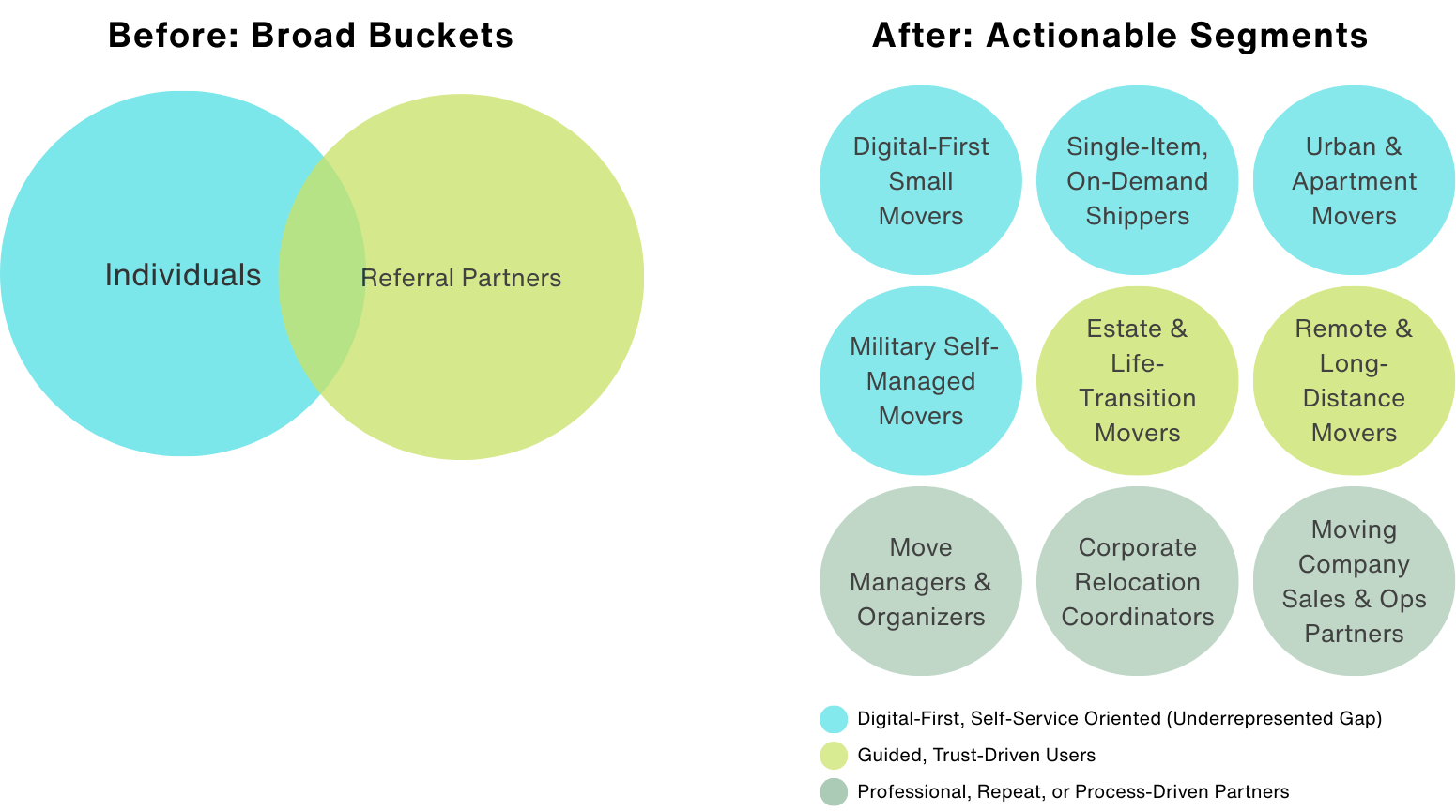
Nine behavior-based segments replacing two lead-based buckets.
Market Alignment
The gap was not a product quality problem. It was a channel access and response immediacy problem. Ship Smart's product was strong. Its system for reaching digital-first customers was not.
Competitive Benchmarking
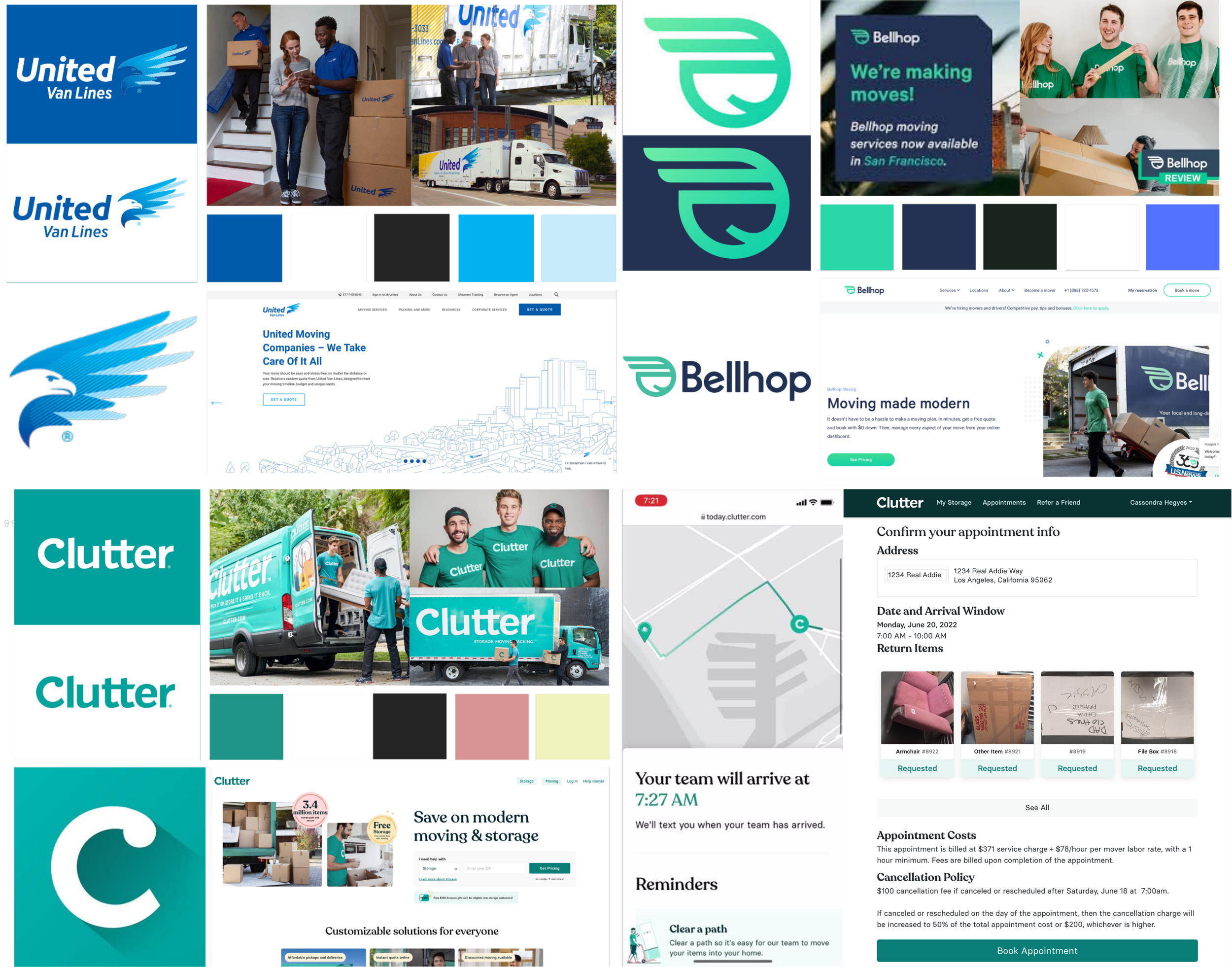
Competitive analysis confirmed the gap was structural, not positional.
Channel Gap Analysis
The existing chat channel was passive and underutilized. No structured response system, no off-hours coverage, no design intent behind it as a revenue tool. Transcript analysis confirmed: customers arrived with clear intent, received no response, and left.
Sessions were being rated badly. Internal tags, including chatbot-transfer, Missed Sales Transfer, and Customer Drop, showed the team had already named the failure mode. No one had yet designed a system to fix it.
This revealed an opportunity to transform chat from a passive support channel into an active acquisition and service workflow. Digital-first customers who expected immediate answers outside business hours were abandoning the site rather than calling, a conversion loss that was invisible in phone-based metrics but visible in transcript data.
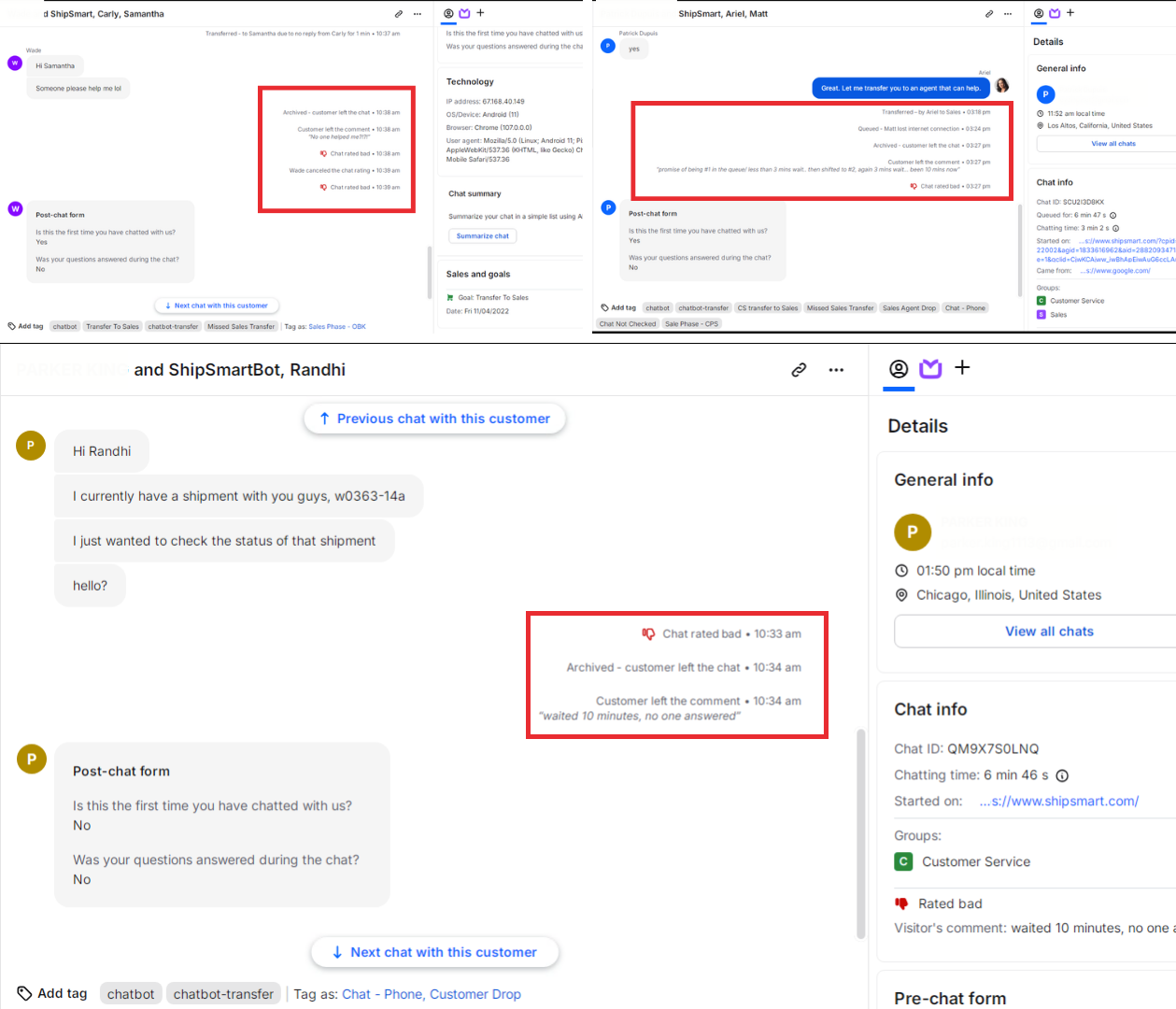
Internal tags confirmed the team had already named the failure mode. No one had yet designed a system to fix it.
AI-Assisted Conversation System
Built from data, not assumptions. 2,783 transcripts analyzed to extract 87 recurring customer questions, organized by intent, funnel stage, and customer type. Designed to serve two jobs simultaneously: resolving questions for existing customers and converting sales-ready prospects.
QUESTIONS
87 across 10 intent-based categories
ROUTING
Service resolution vs. sales handoff vs. direct quote booking
COVERAGE
24/7 off-hours for the highest-value underserved segment
HELP CENTER
70 articles, 16,168 views, 870 on most-read article
Help Center Search
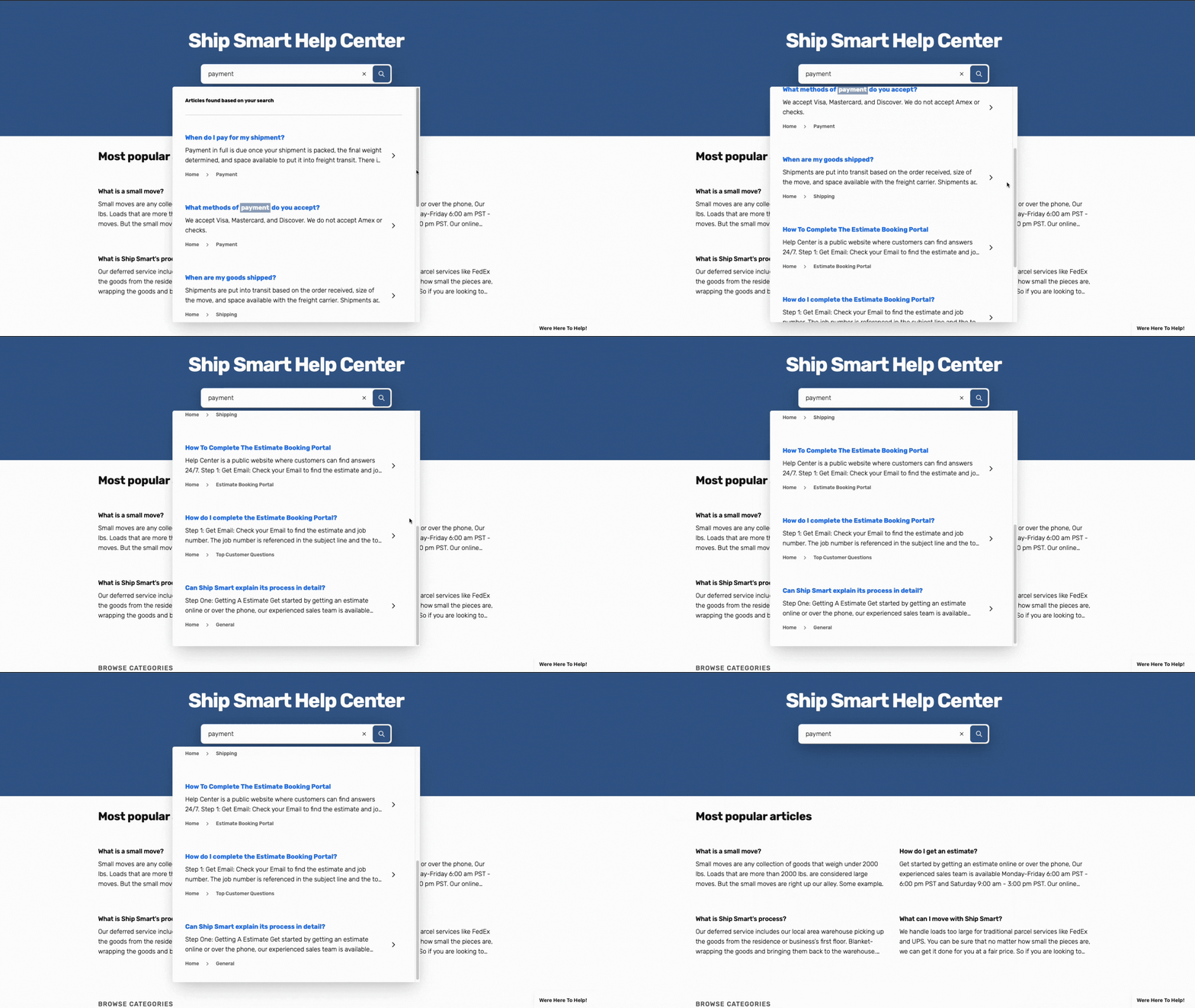
87 questions across 10 intent-based categories derived from analysis of 2,783 chat transcripts.
ChatBot Workflows
FLOW 1: Off-Hours Capture
Routes quote requests, existing shipment questions, and general inquiries with contact collection and priority flagging.
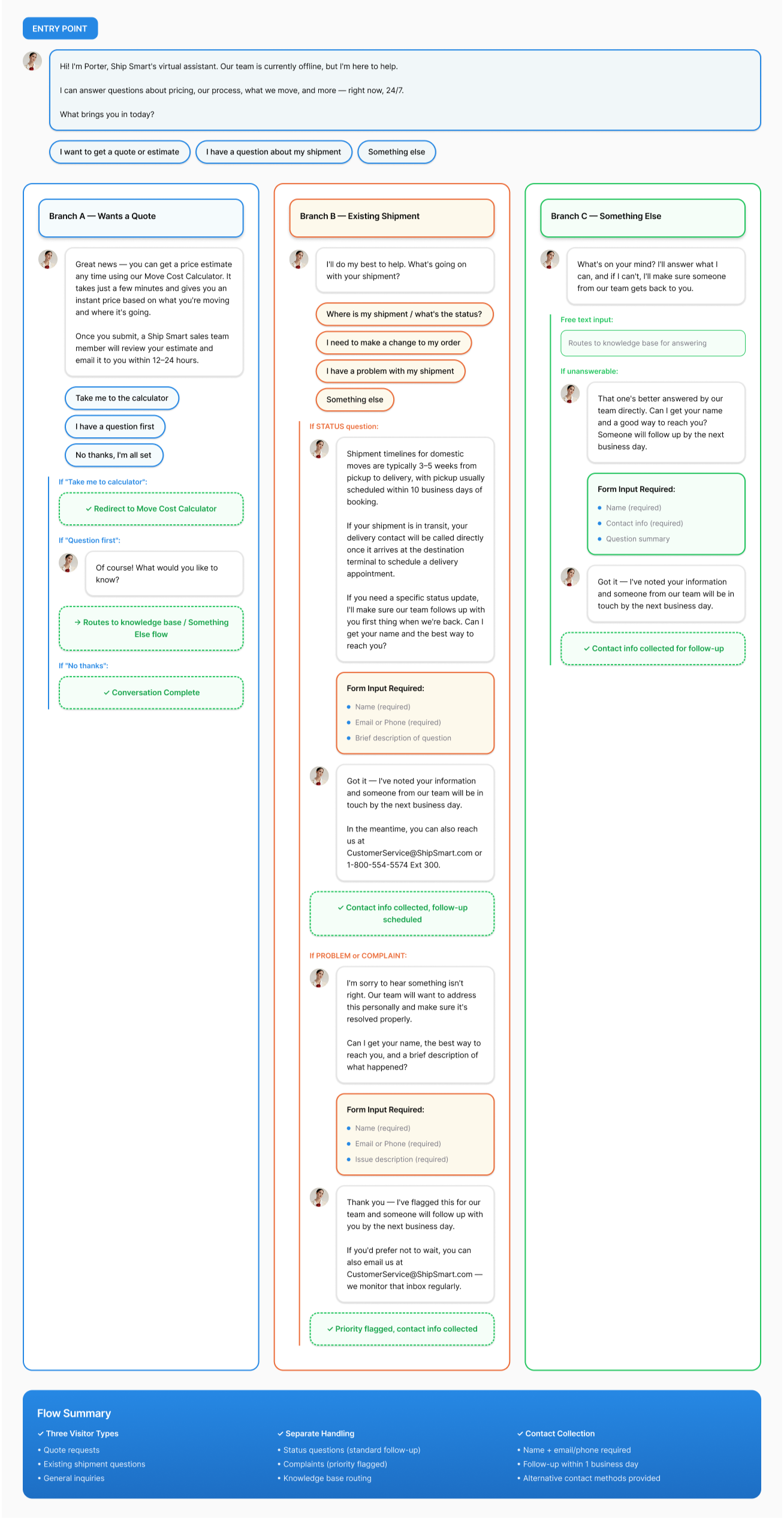
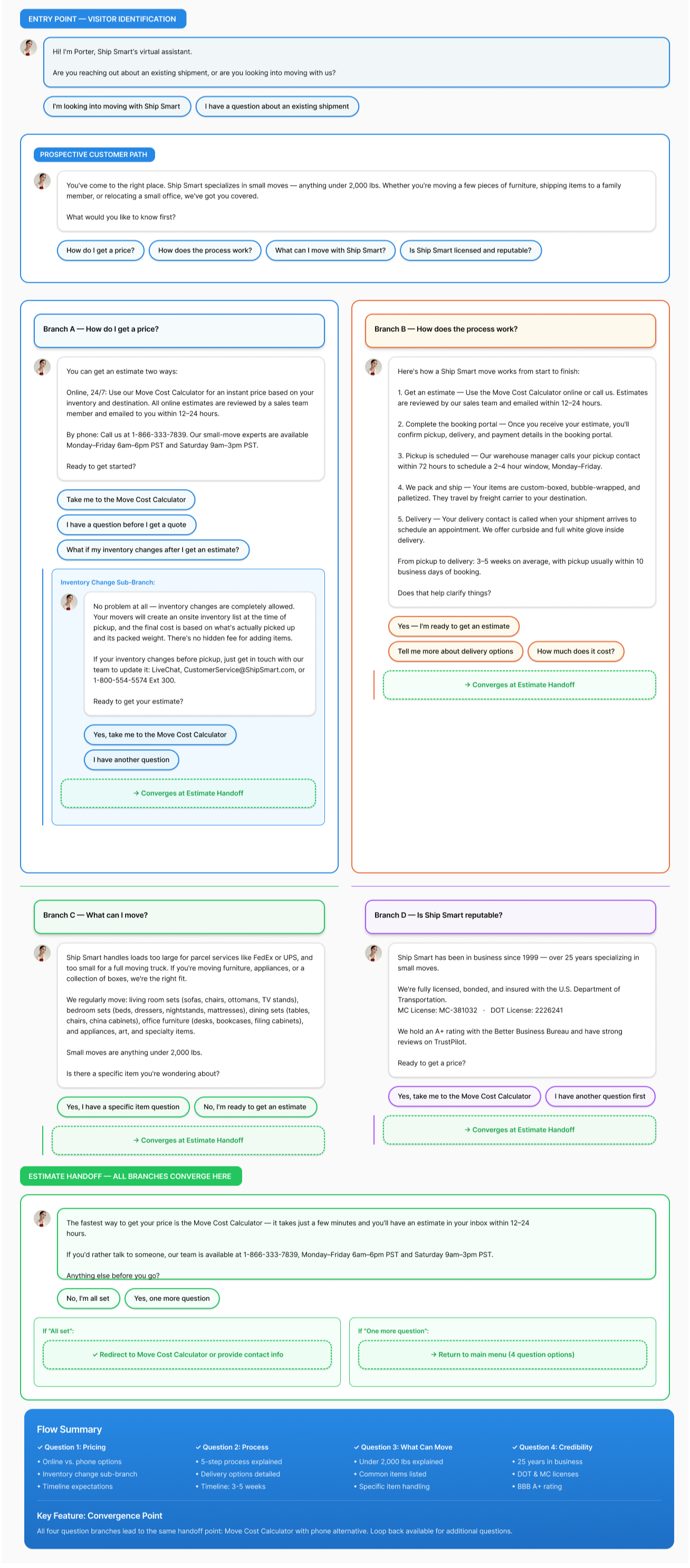
FLOW 2: Get an Estimate
Four pre-estimate question branches converging at a single estimate handoff. Includes inventory change sub-branch.
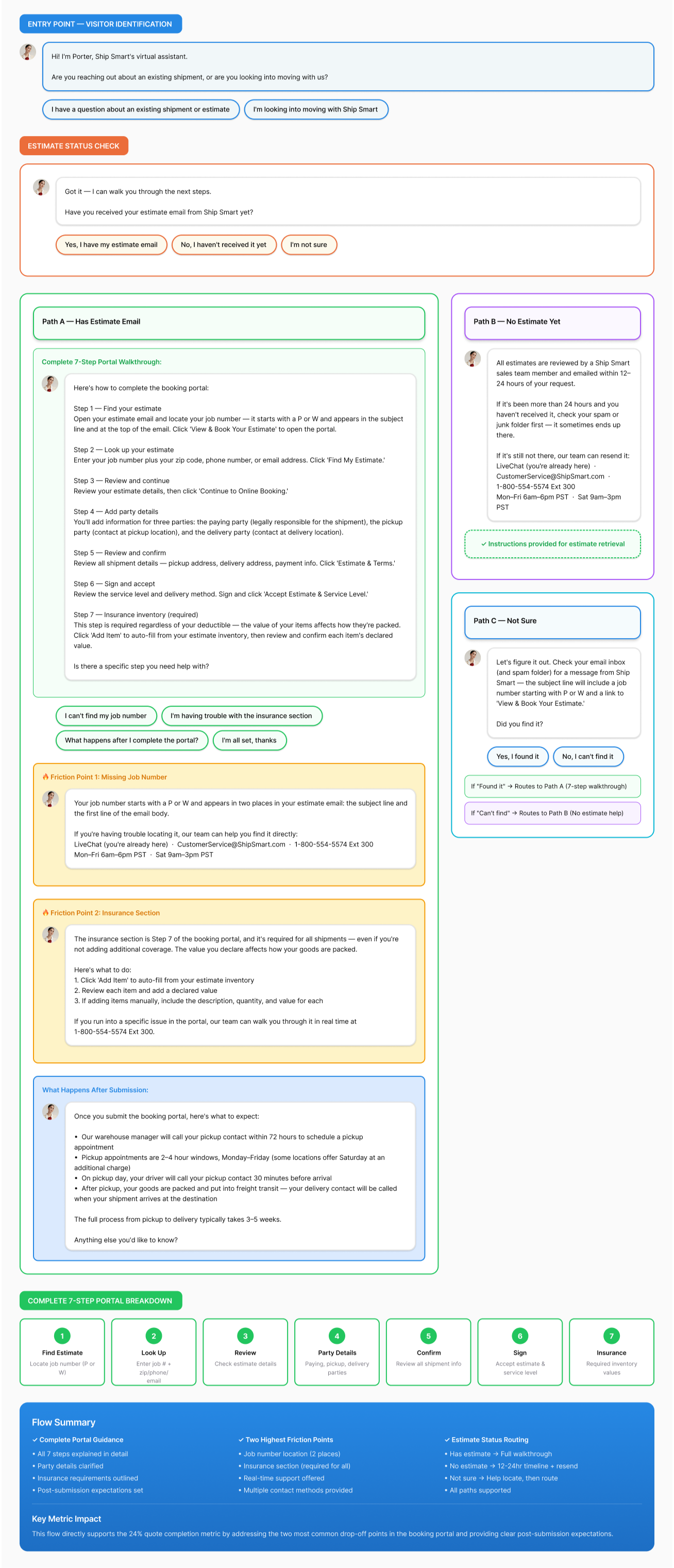
FLOW 3: Estimate Booking Portal
7-step portal walkthrough addressing the two highest drop-off points: job number location and insurance section.
FLOW 4: Quote Builder
Weight-based estimate with distance check, Curbside vs Inside Delivery pricing, and direct sales handoff.

Negative rating patterns on estimate and pricing articles directly informed the parallel redesign of the Move Cost Calculator. The same customer frustration was surfacing across two different touchpoints, requiring coordinated interventions at both layers.
System Foundation
Before defining any interaction patterns, I grounded the work in Ship Smart's 25-year history, mapping its position in the small-move market and the qualities that differentiated it from competitors.
Mission Statement
We provide the highest-quality customer service in the industry at competitive prices, delivering the best shipping and small-move experience.
Selling Position
We specialize in small moves, offering expert packing and dependable service that make high-quality shipping easy, affordable, and stress-free.
Brand Pillars
Small-Move Expertise, Trusted & Dependable, Decades of Experience, Comprehensive Packing
These were not brand deliverables. They were codified system inputs governing how the product communicated, what it prioritized, and how every interaction was evaluated against the business's actual promise to its customers.
Interaction Language
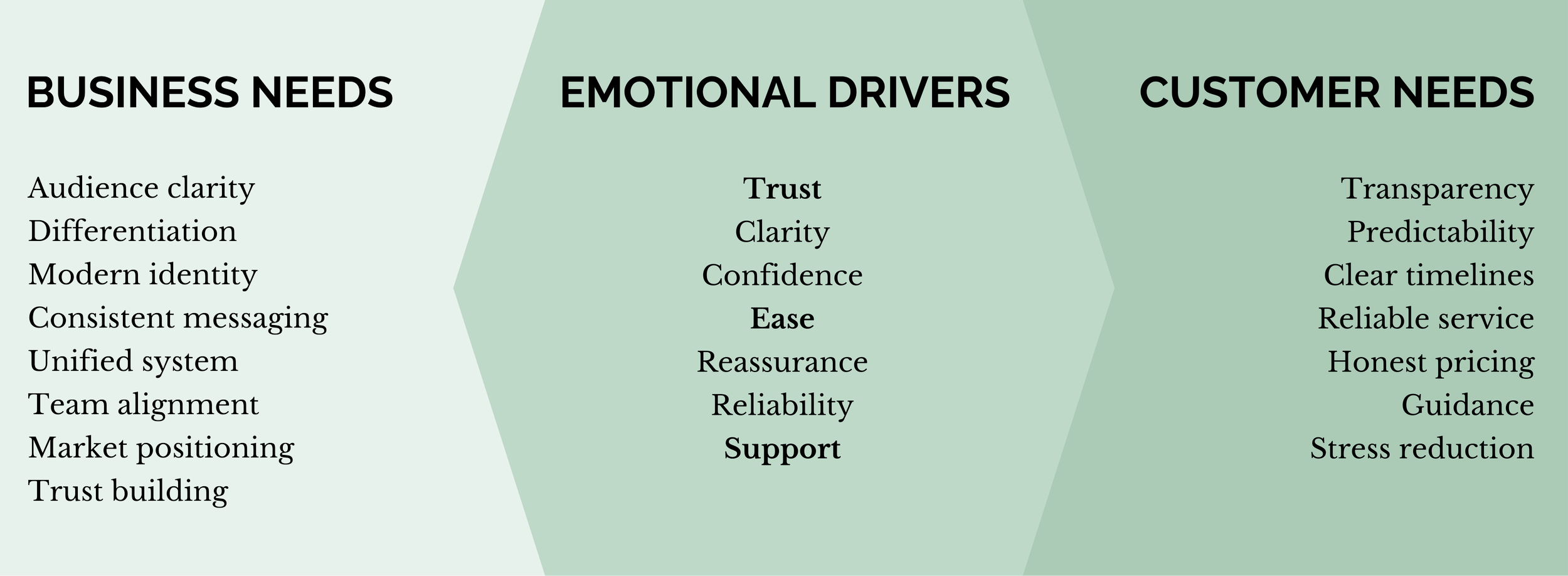
This was not a tone guide. It was a behavioral contract: every surface would communicate in a way that was consistent, predictable, and aligned with what customers needed to know at each stage of their lifecycle. The same principles governed the chatbot and help center.
Shared Emotions
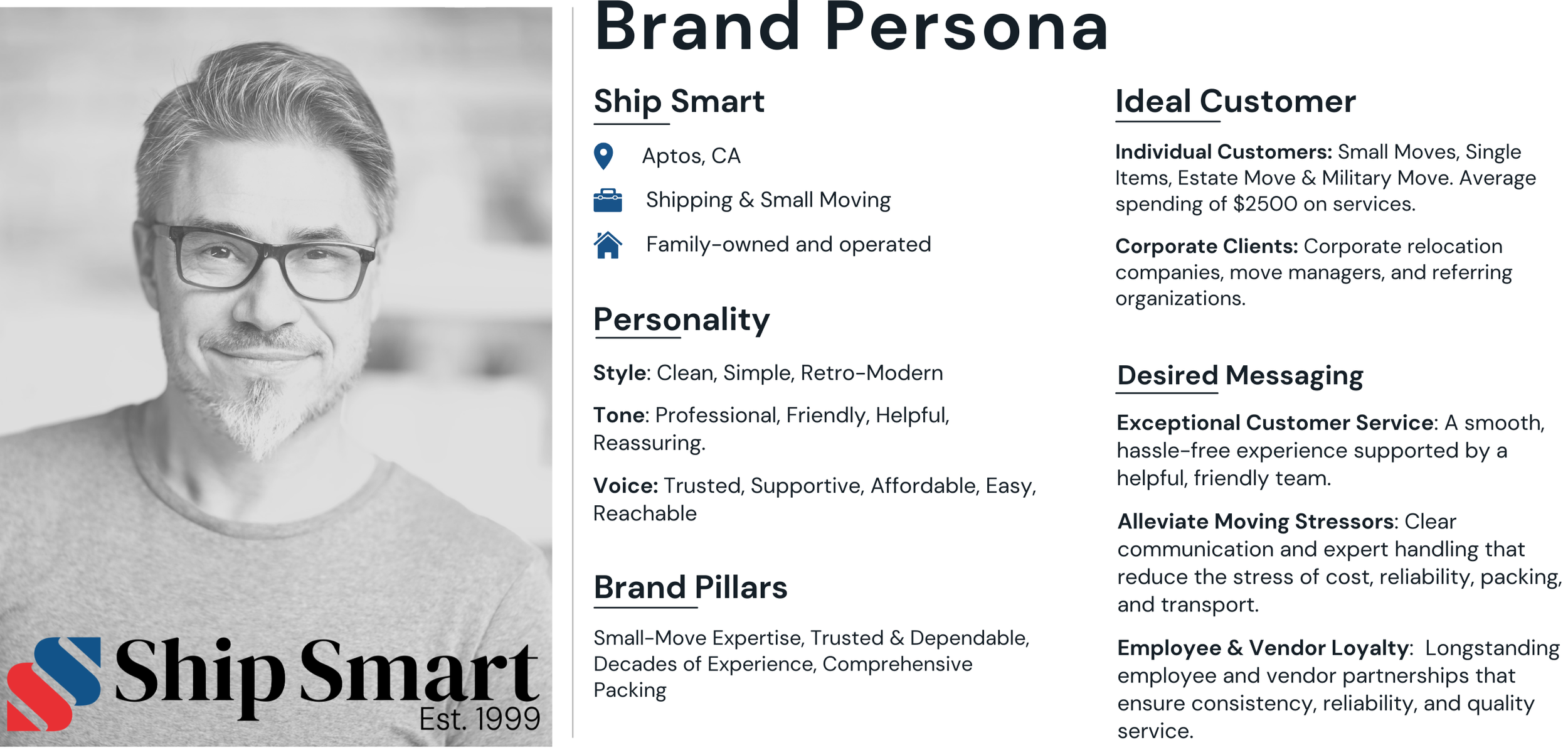
Trusted. Supportive. Affordable. Easy. Reachable.
Interaction and Conversation Standards
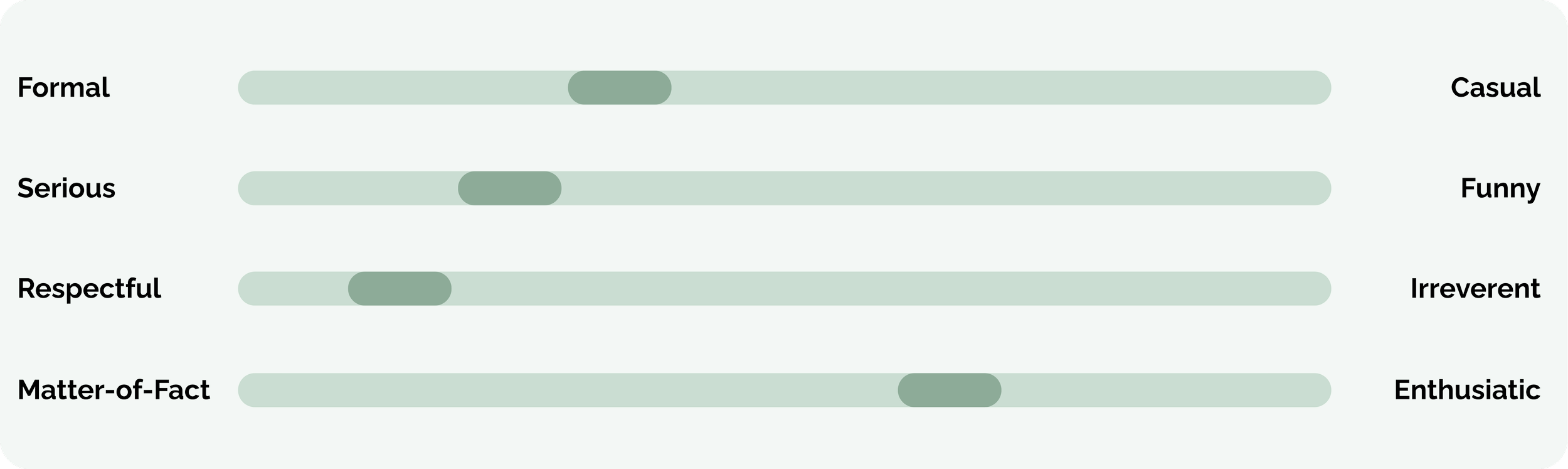
Professional. Friendly. Helpful. Reassuring. The four criteria used to evaluate every help center article and chatbot response across 87 structured customer questions.
4 Tone Map
The four-criteria standard applied across 70 help center articles and all chatbot conversation flows.
Visual System
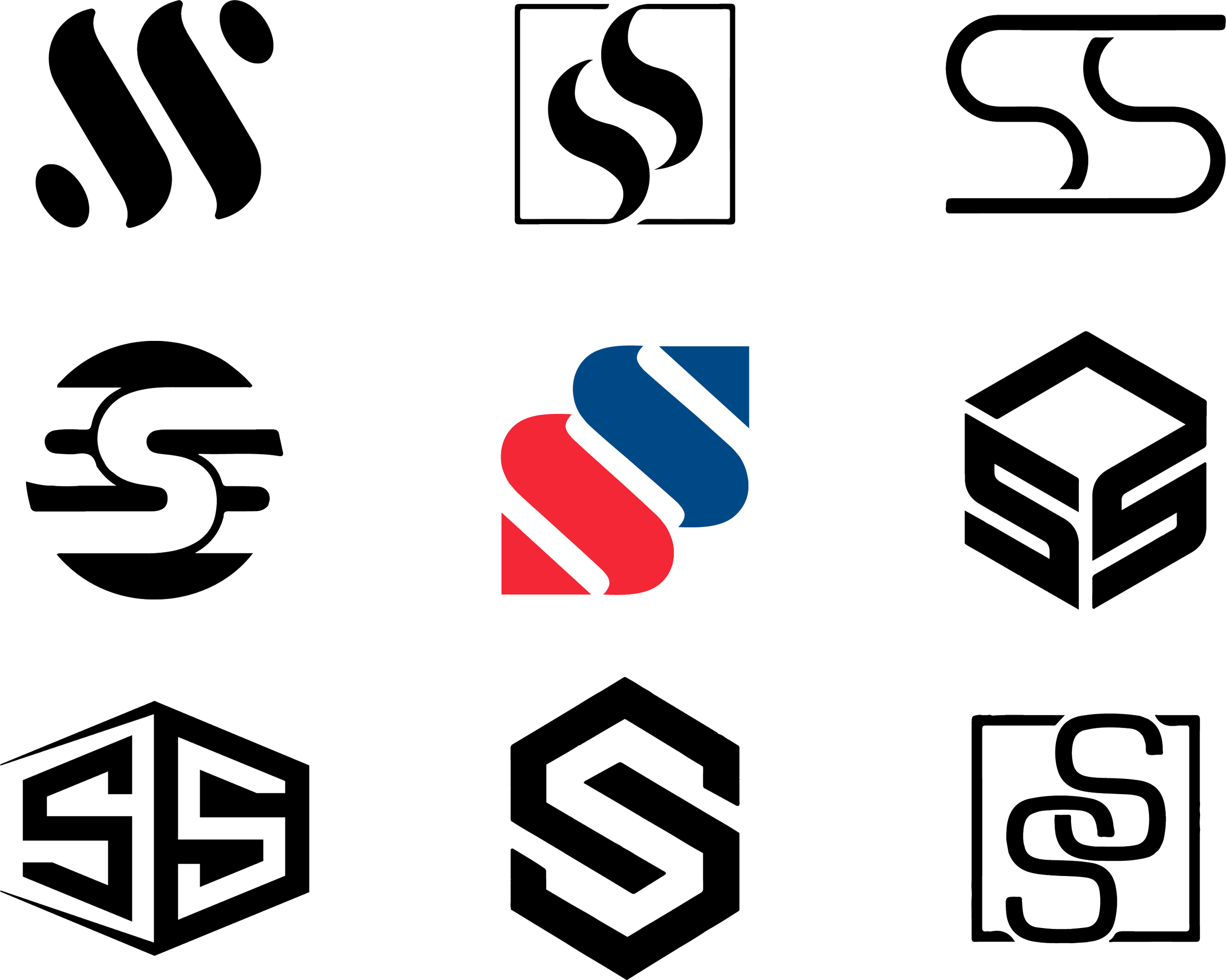
Visual decisions were grounded in what the system needed to communicate: clarity, reliability, and ease. Clean. Simple. Retro-Modern. A system requirement, not a stylistic preference.
Logo Icon Redesign
Visual identity as a system output, not a starting point.
Final Design
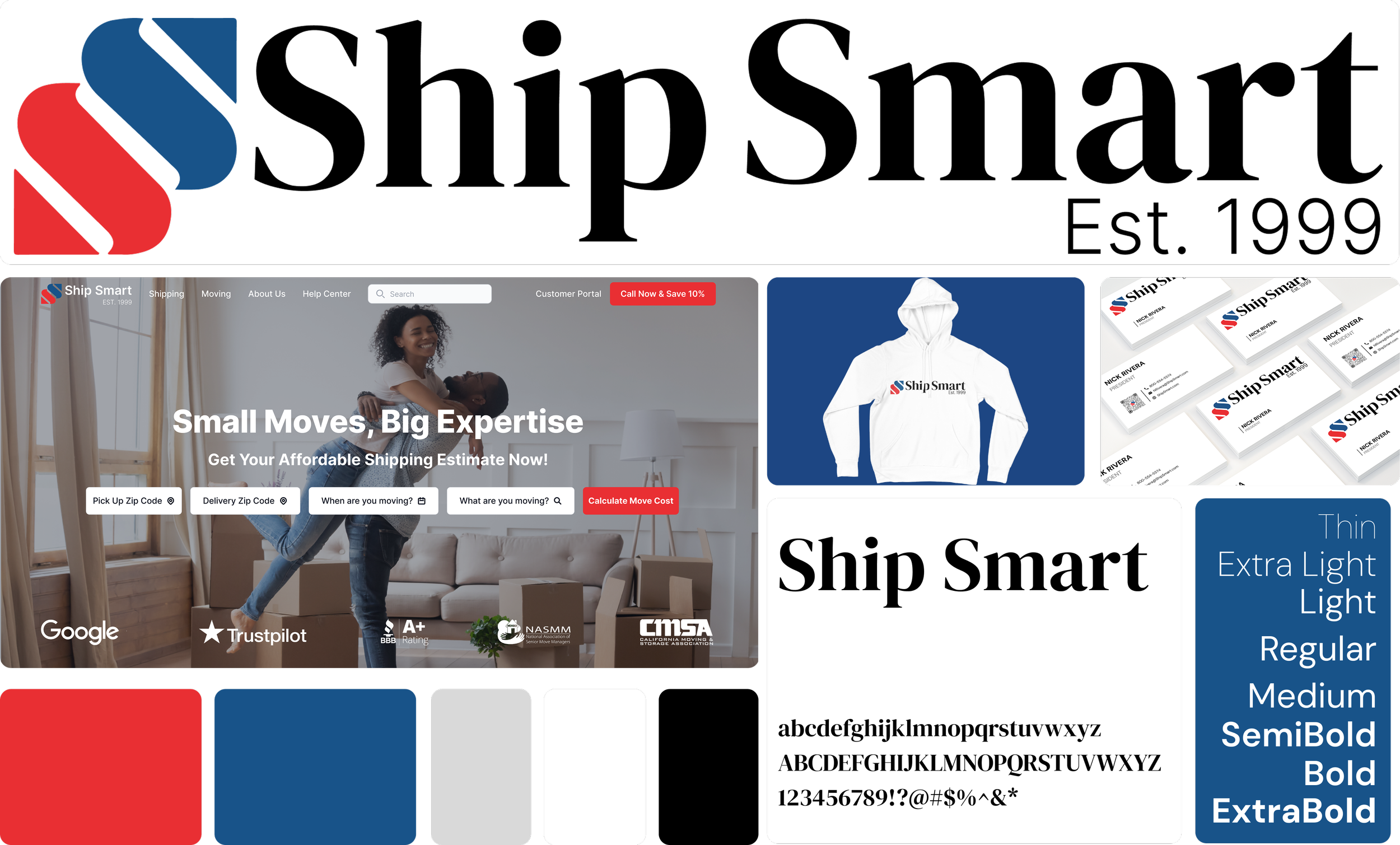
The Product Operating System is expressed through its outputs: the AI-assisted conversation system, the help center knowledge architecture, the visual identity system, the website redesign, and the interaction standards and component patterns governing every surface.
Brand Redesign Overview
Brand Persona
After Logo Redesign

Logo Fonts
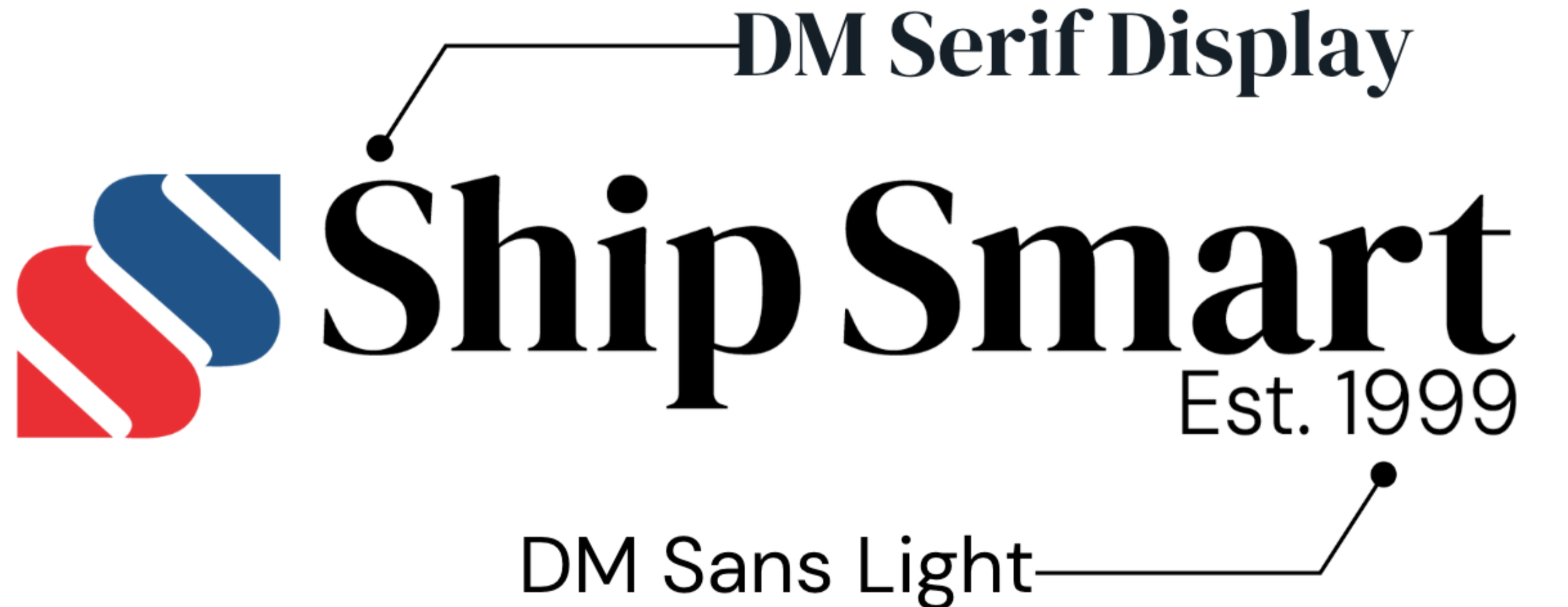
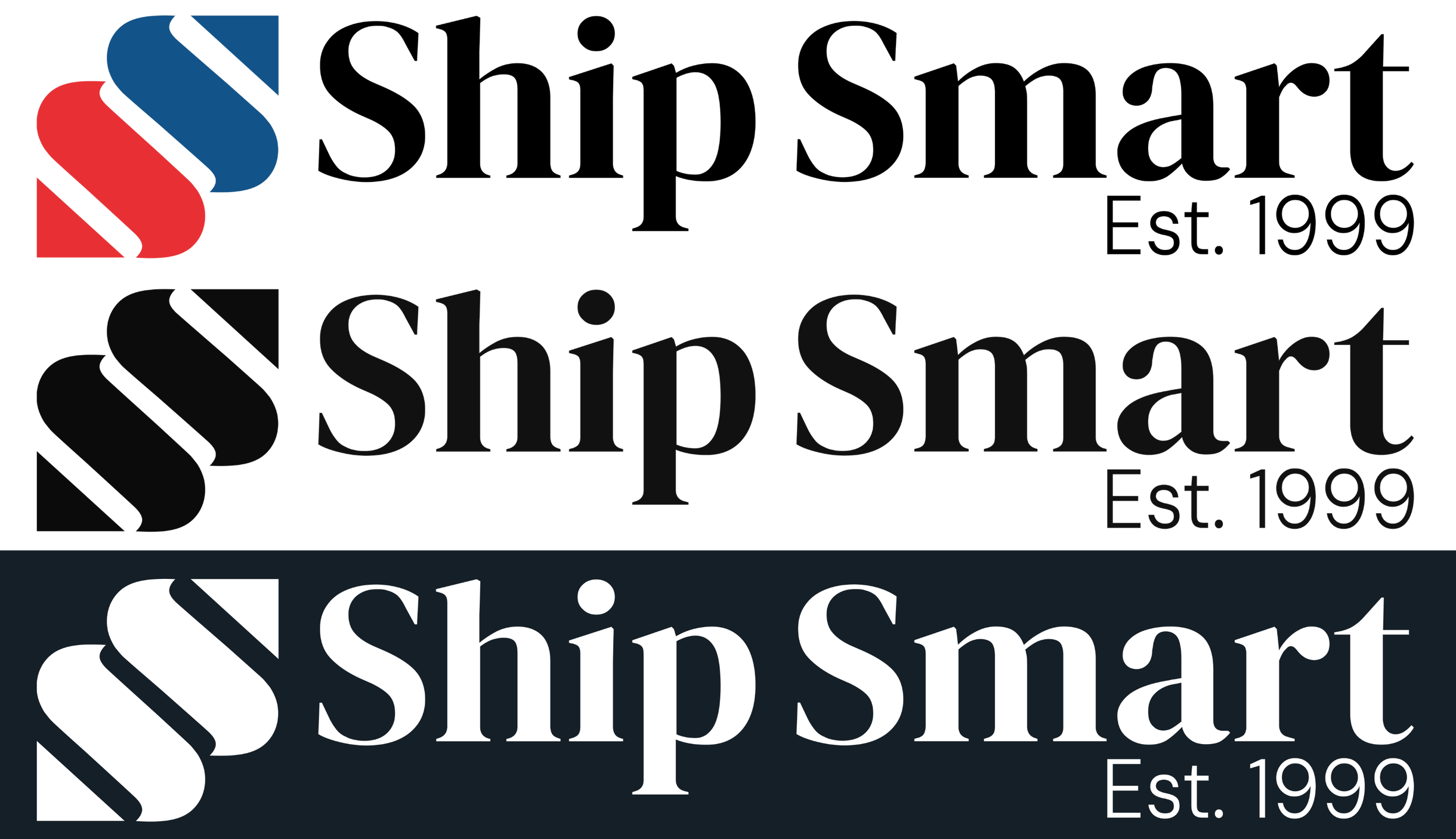
Logo Variations
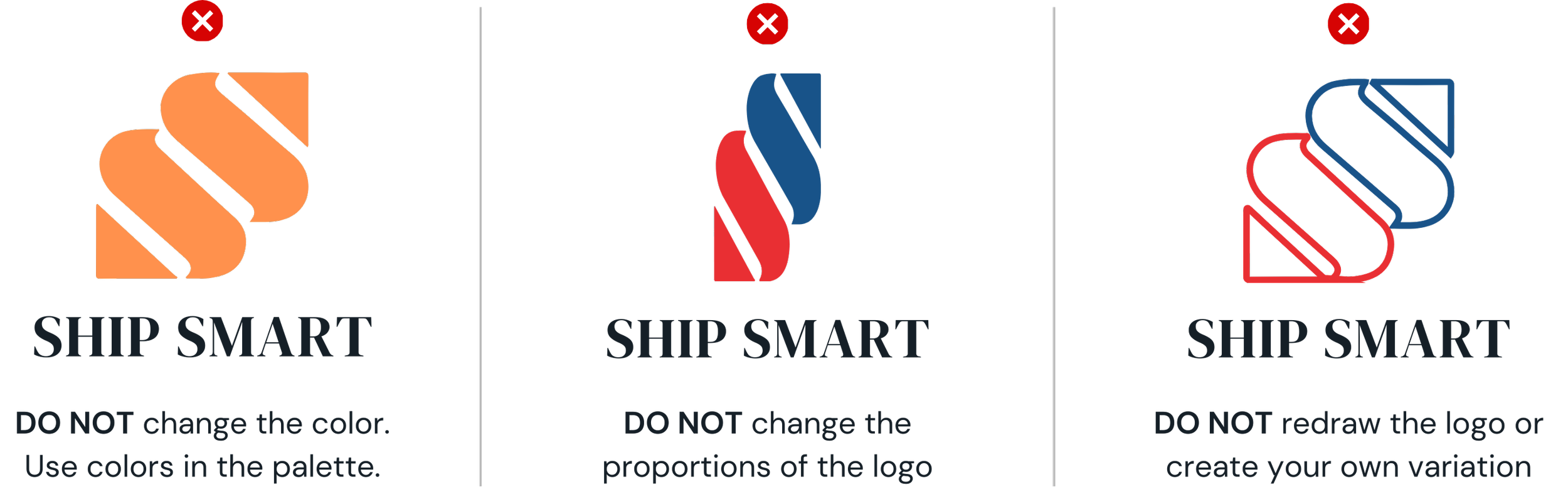
New Logo Rules
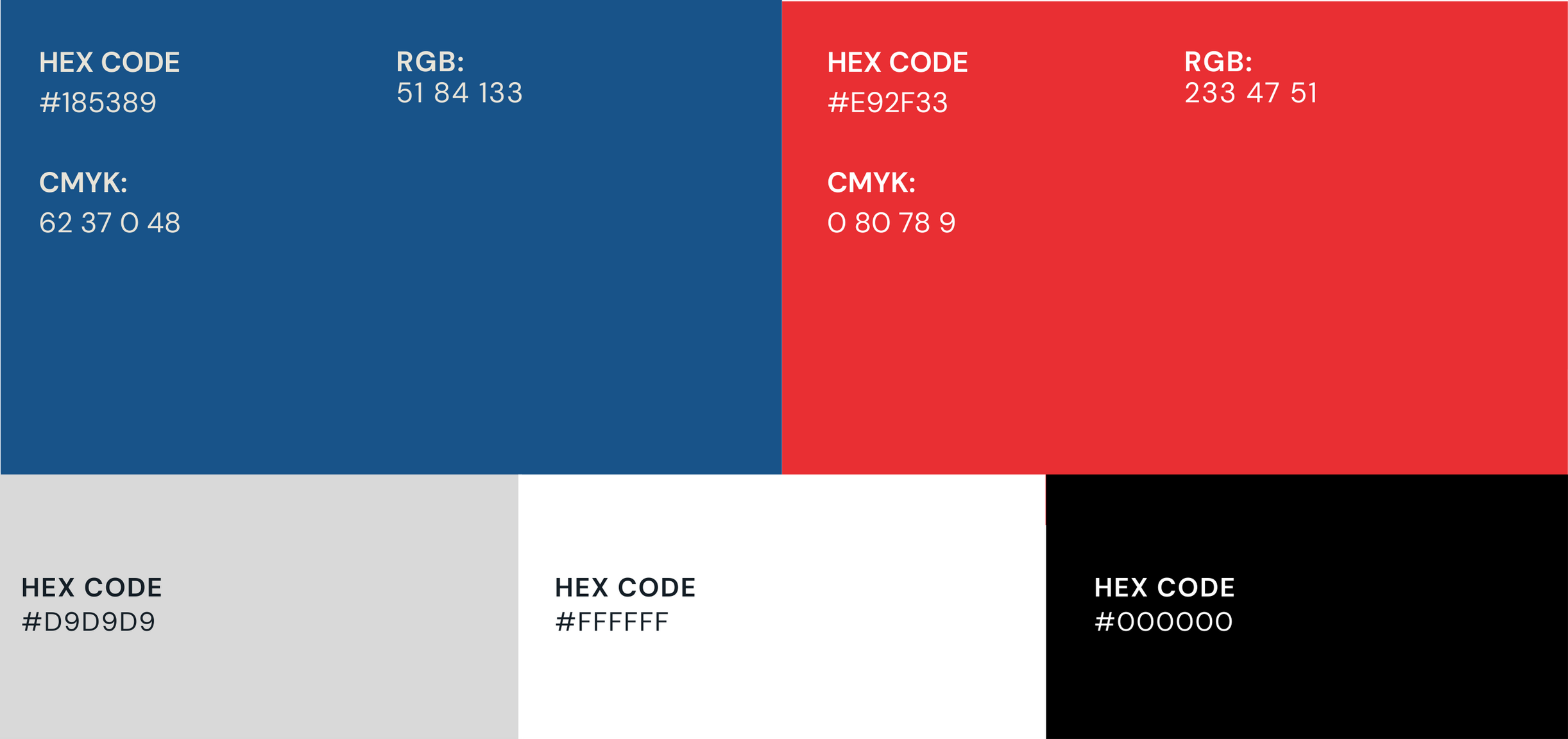
Color Palette
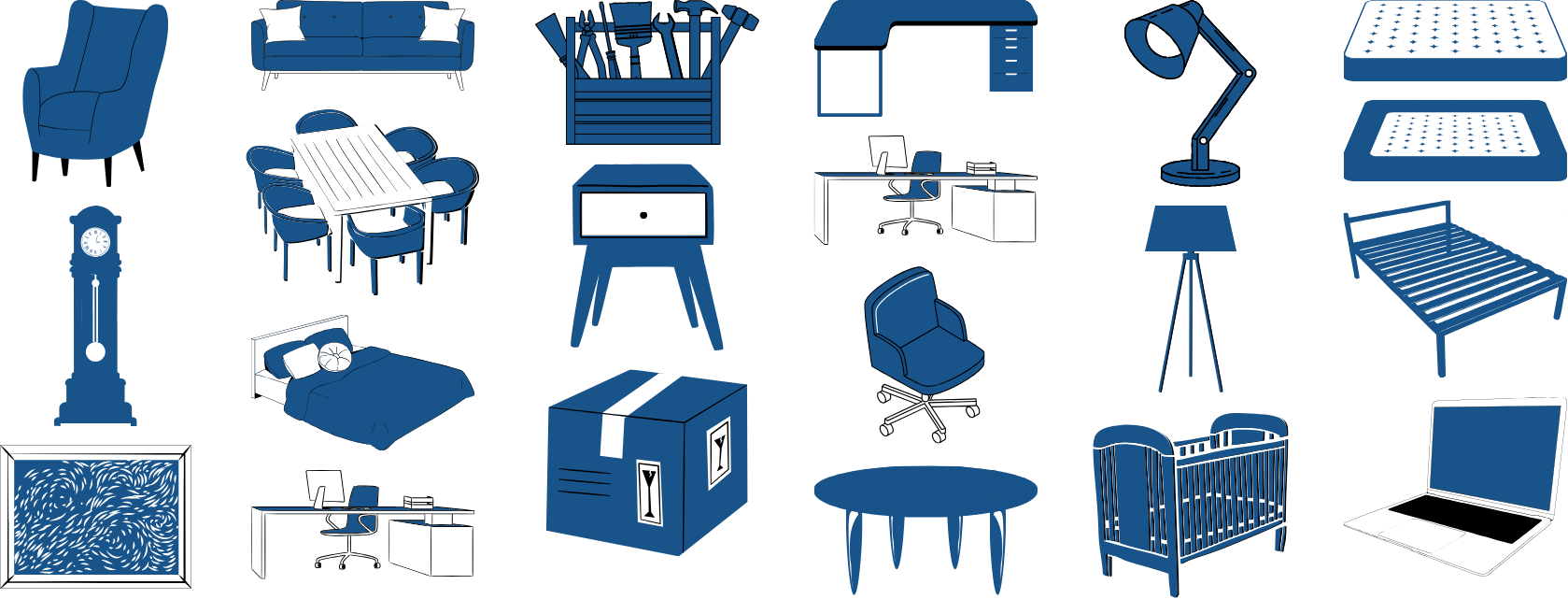
Furniture Symbols
Website Redesign Key Pages
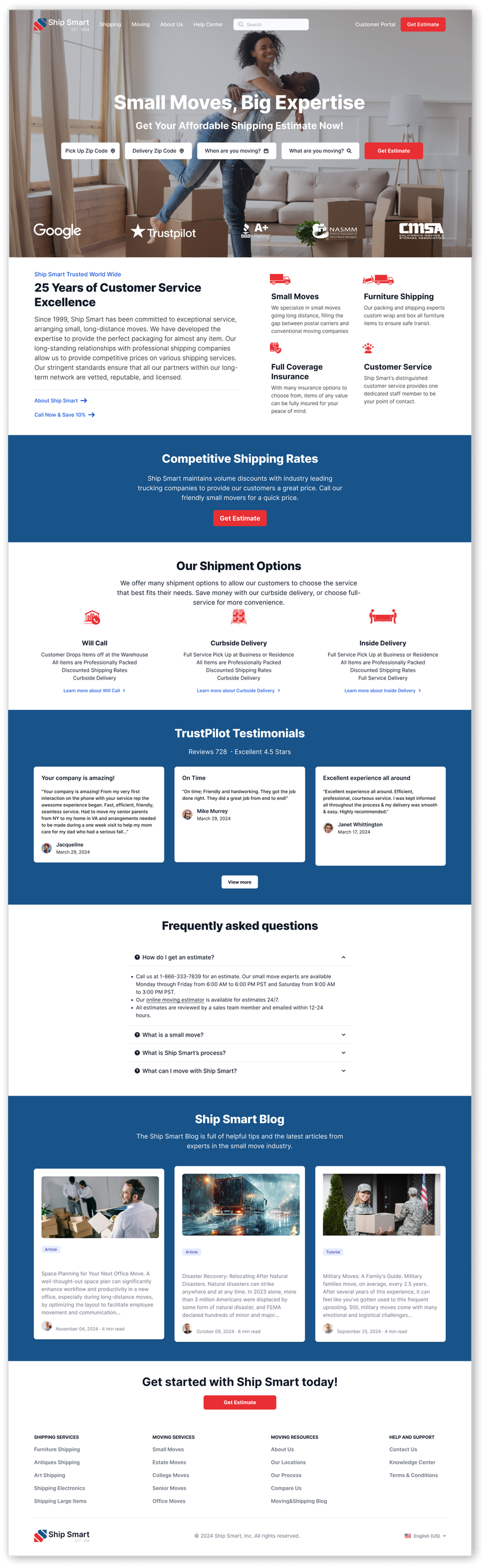
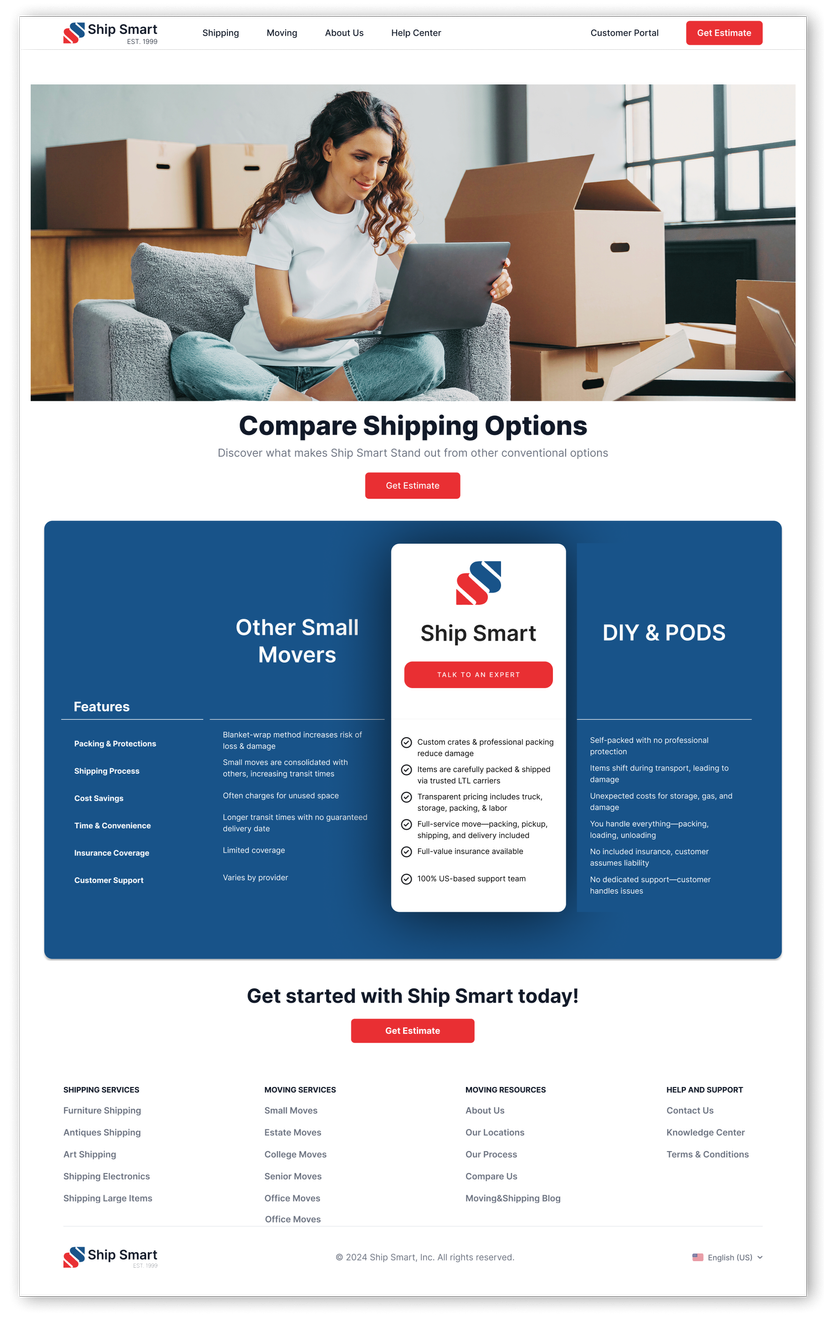
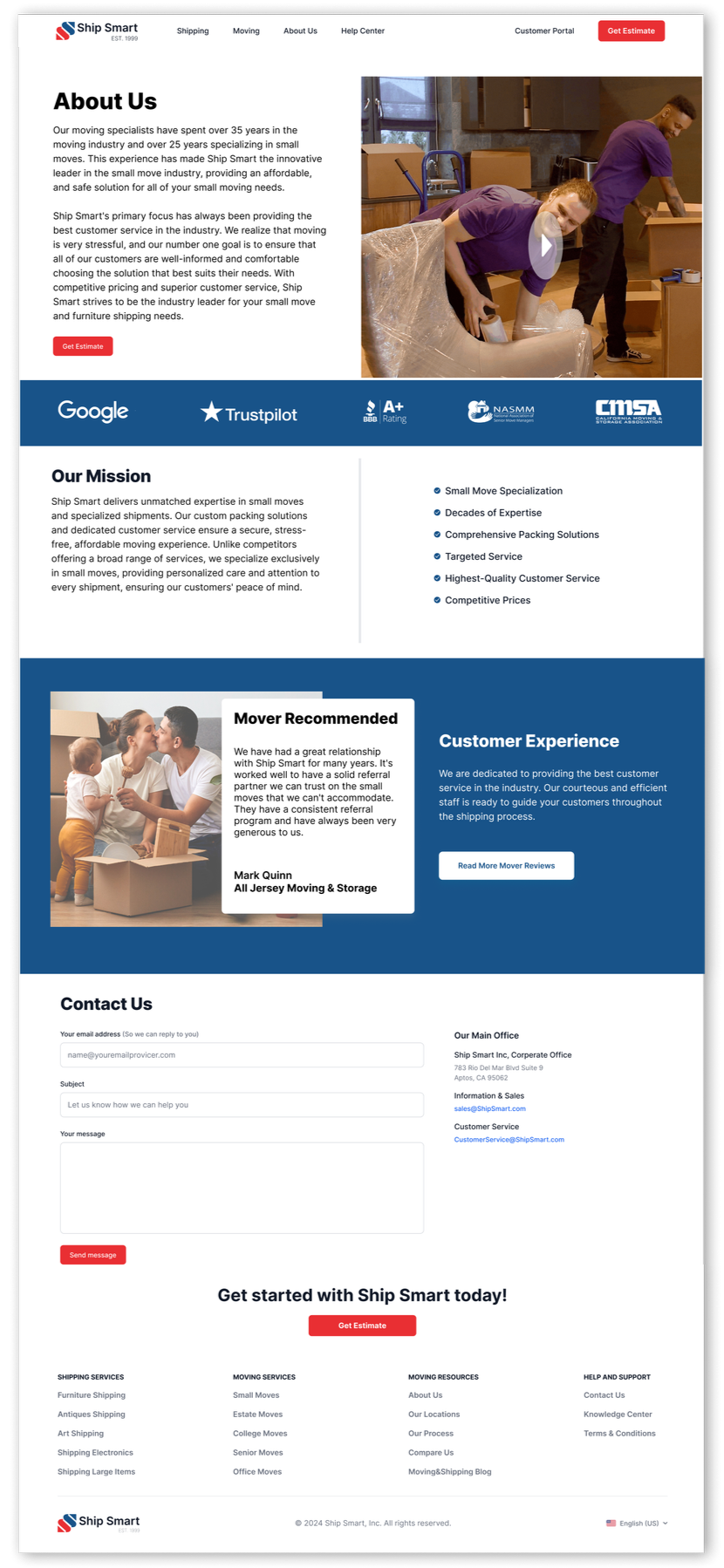
The website redesign and brand identity were the visible expression of the system. The underlying work was the interaction framework and component architecture.
Homepage
Compare Shipping Options
About Us
Deliverables
| Figma component library with documented interaction states and behavioral specifications
| AI-assisted LiveChat chatbot configured end-to-end with four conversation flows, decision trees, and dual-purpose routing
| Structured help center: 70 articles across 10 intent-based categories derived from analysis of 2,783 chat transcripts
| Email automation system tied to lifecycle state transitions
| Reusable UX patterns governing acquisition, quoting, and fulfillment workflows
| Unified visual and interaction standards across the platform
Business Results
The Product Operating System replaced 25 years of fragmented decision-making with a scalable framework for interaction, communication, and lifecycle behavior.
PLATFORM IMPACT
| Transformed a passive, unstructured chat channel into an active acquisition tool
| Replaced ad-hoc decisions with reusable UX standards across all surfaces
| Reduced cross-team friction through documented patterns and governance
What I Learned
This project reframed design systems as product infrastructure, not visual libraries or brand guidelines, but operating frameworks that govern how products communicate, behave, and scale. Without shared interaction models, lifecycle language, and behavioral standards, even well-designed products fragment as they grow.
The most significant lesson came from the chatbot work. The system succeeded not because of the technology, but because the knowledge architecture underneath it was built from real customer behavior. Analyzing 2,783 transcripts to extract 87 structured questions gave the system something most chatbots lack: accurate, specific answers to the questions customers were actually asking, in the language they used to ask them.
The chat channel existed before this project. The revenue opportunity existed before this project. What was missing was a system intentionally designed to activate both for the right customer segment, at the right moment in their journey, with the right response logic behind it.
Design systems are not aesthetic frameworks. They are operating systems that shape how products acquire customers, serve users, and scale over time.
How This Connects
The three case studies on this portfolio are not independent projects. They are three coordinated interventions on the same underlying system problem.
Product Operating System established interaction standards, lifecycle logic, and the AI-assisted conversation layer that activated the platform's most underserved customer segment.
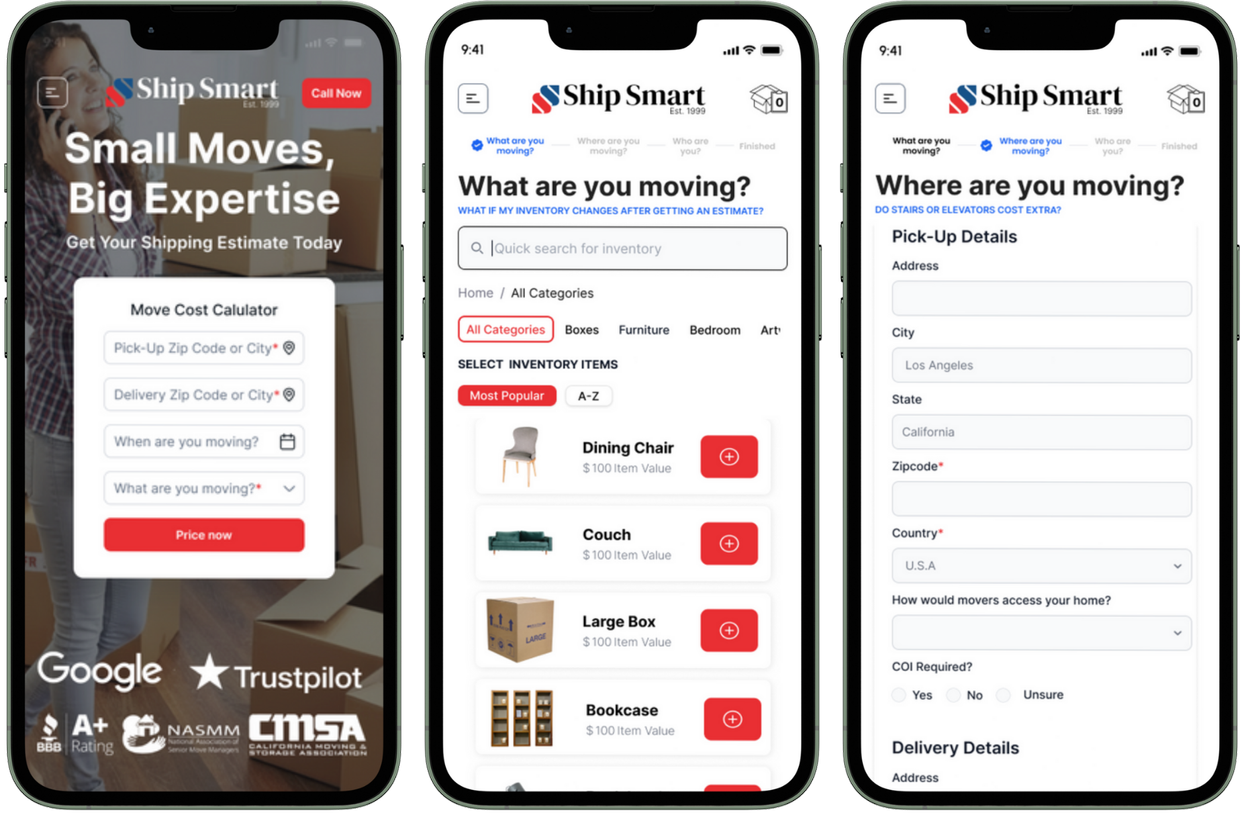
Move Cost Calculator redesigned the highest-drop-off revenue workflow, directly addressing the pricing confusion surfacing as negative ratings in the help center data.
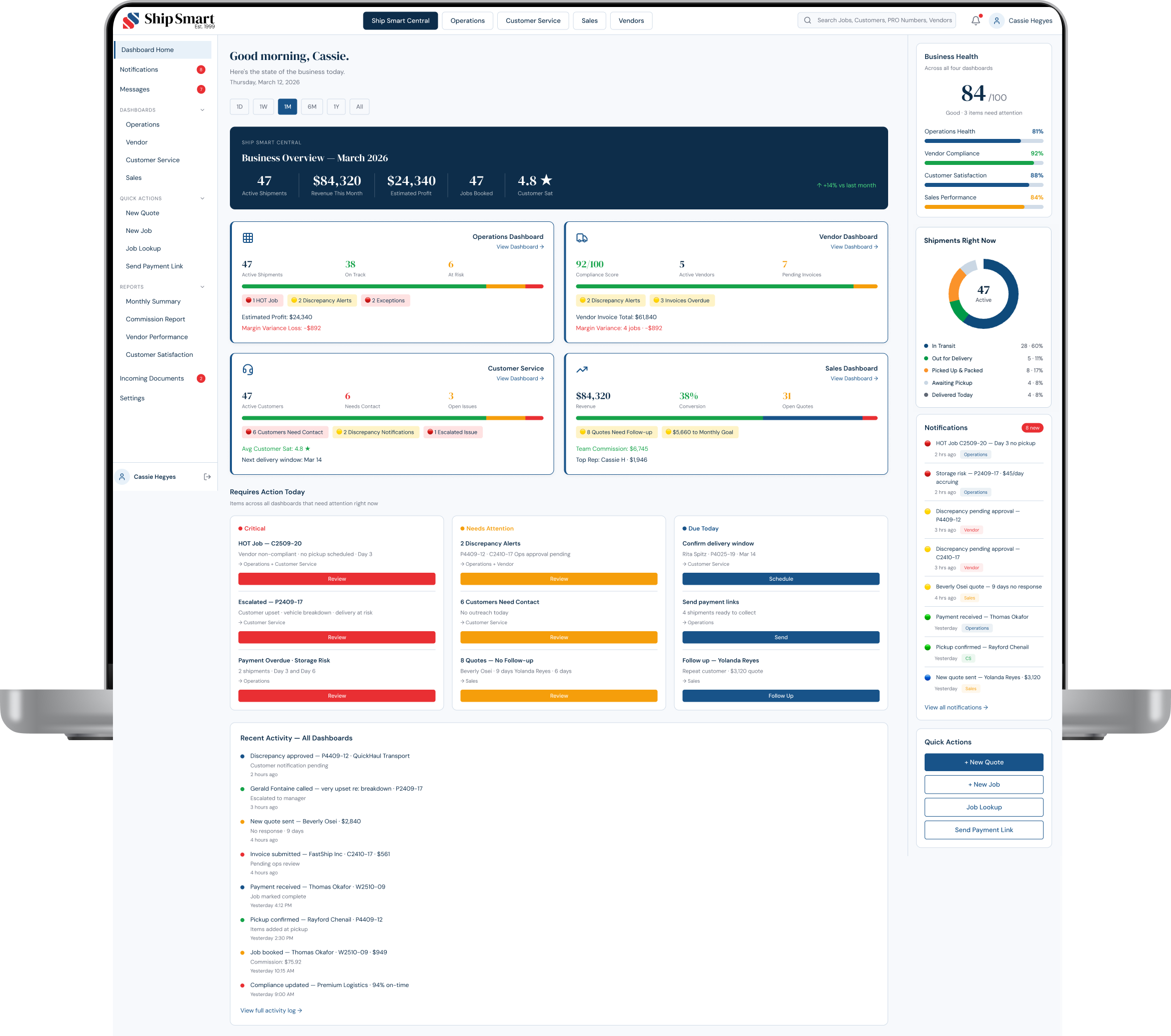
Ship Smart Central built the operational backbone, the role-based system of record that made lifecycle visibility and vendor accountability possible across the platform.
ENGAGEMENT
+173%
increase in live chat engagement
+62%
increase in mobile sessions
+31%
increase in click-through rates
REVENUE
+41%
YoY increase in chat-initiated bookings
+38%
YoY increase in chat-driven sales revenue
BEFORE → AFTER
| Passive, unstructured chat channel with no off-hours coverage → 173% increase in live chat engagement through AI-assisted conversation system
| Two lead-based customer segments with no digital acquisition strategy → nine behavior-based segments with structured off-hours capture and routing
| Ad-hoc interaction decisions made feature by feature → reusable UX standards governing all product surfaces
More Case Studies